After a Texas Girls State trip changed the chemistry of her brain, incoming public affairs freshman Annabella Ruiz said, “Mom, I don’t think I want to do veterinary science anymore.”
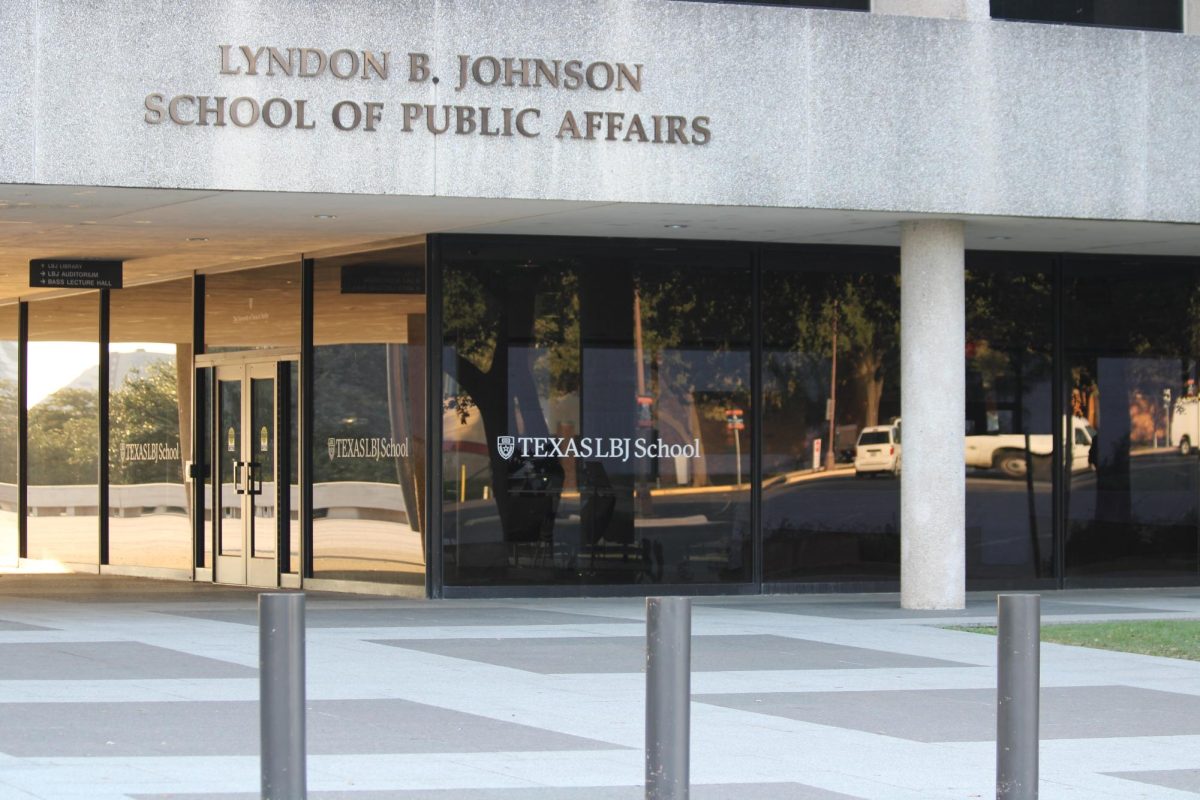
A year later, Ruiz enrolled in the Lyndon B. Johnson School of Public Affairs’ first undergraduate class. The 55-year-old graduate school will welcome its first undergraduate students in two weeks.
According to a news release from the LBJ School, the new undergraduate curriculum will prioritize communication, data analytics, organizational leadership and management, and public policy analysis. Additionally, students will select a policy area of specialization, such as international policy, healthcare, or education.
In July, the major welcomed its inaugural cohort to Longhorn Orientation, where upperclassman mentors helped them plan their first semester and gave them an overview of campus life. Emma Woods, an incoming freshman studying public affairs, said the experience brought special difficulties to their class.
According to Woods, many majors have mentors who are sophomores, juniors, or seniors, but there are no students we can speak to who have really done it. Because we are working it out on our own, it has united many of the LBJ public affairs majors.
Both Woods and Ruiz intend to look into international affairs-related employment, including the international Service internship. Different policy areas are being pursued by others. Christiana Adesanya, a freshman studying public affairs, said she chose to concentrate on healthcare policy because of her parents’ work in the medical field.
The specialized component of the program was promoted by the LBJ School as a springboard for public service professions. The degree was defined in terms of employability by JR DeShazo, dean of the LBJ School.
According to a press release, the Bachelor of Public Affairs curriculum gives students the marketable skills they need for today’s workforce. Our graduates will be equipped for high-impact jobs in public service and beyond, with a focus on data analytics, policy analysis, and organizational leadership and management.
These kids are getting ready for a changing industry, though. Following cuts made by President Donald Trump’s administration to increase efficiency, government employment decreased by 12,000 jobs in July and has decreased by 84,000 since January, according to figures issued by the U.S. Department of Labor on August 1.
Federally supported internships at UT, including jobs at the state department and the National Institutes of Health, have been eliminated as a result of these losses. The impact has extended beyond government buildings, according to Jocelyn Bridges, a student studying international relations and global studies whose Foreign Service internship was terminated in March.
According to Bridges, it’s getting harder to find a job in the private sector, particularly if you’re a student. Now, even if you are a student with all the qualifications for an internship, you are up against folks who recently lost their federal employment.
The inaugural undergraduate class of the LBJ School stated that their excitement has not been tempered by uncertainty. While some argued the public policy situation could change, others cited the school’s networking and career counseling possibilities as advantages in a competitive market.
Adesanya stated, “I believe that by the time we graduate, we may be under a new administration, and all those jobs may come back.” It might be too soon to tell, in my opinion.